#FactorXDeficiency
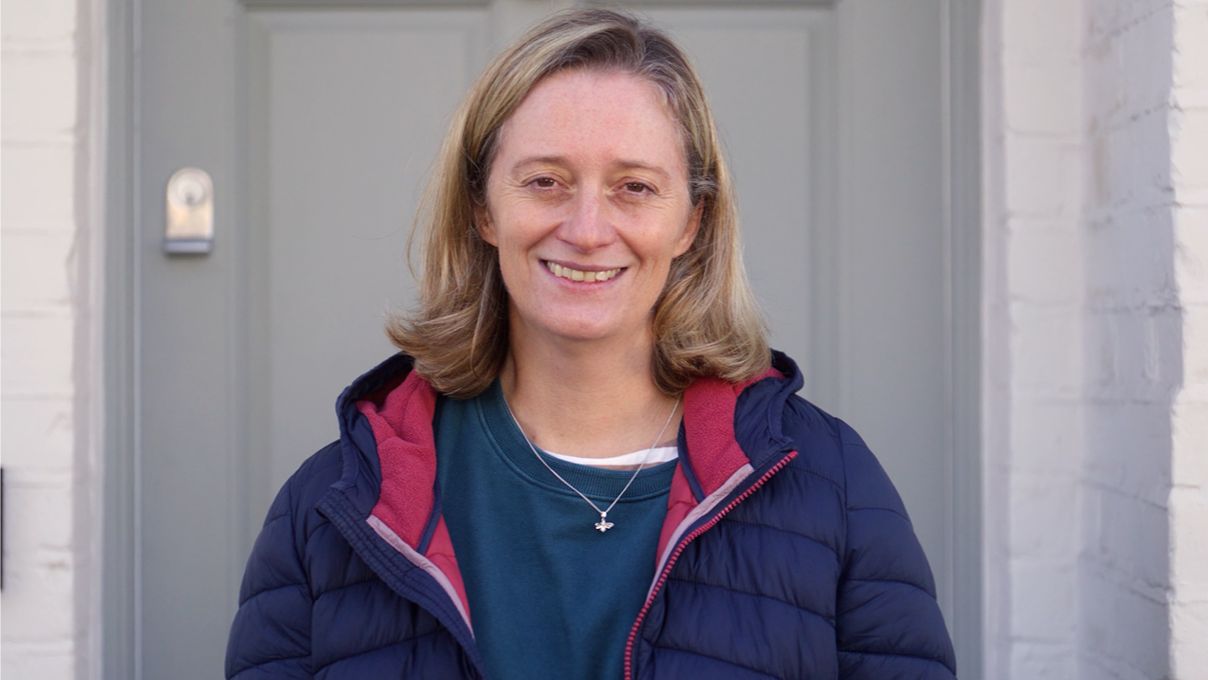
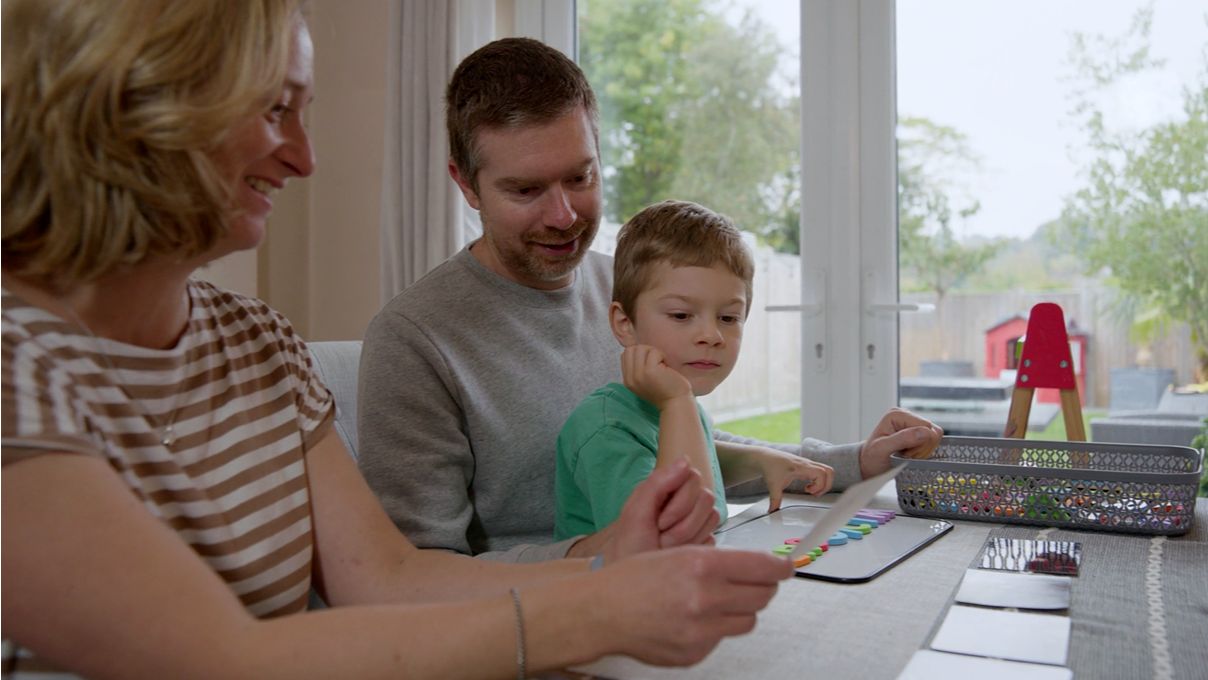
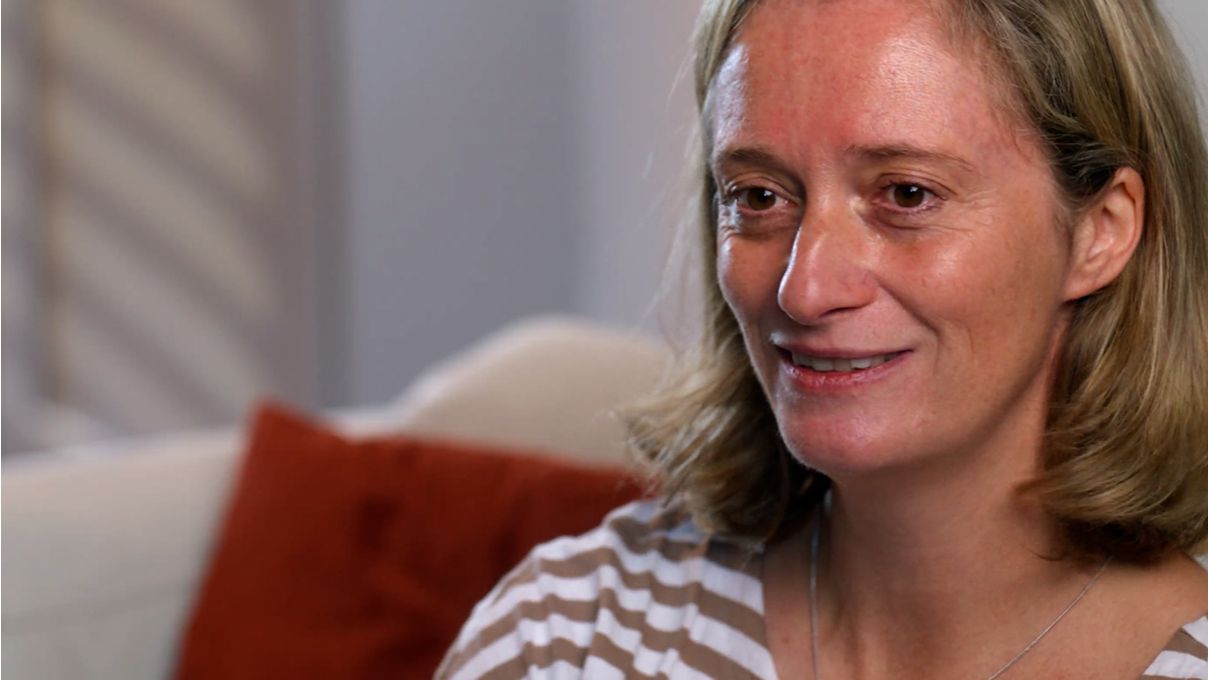
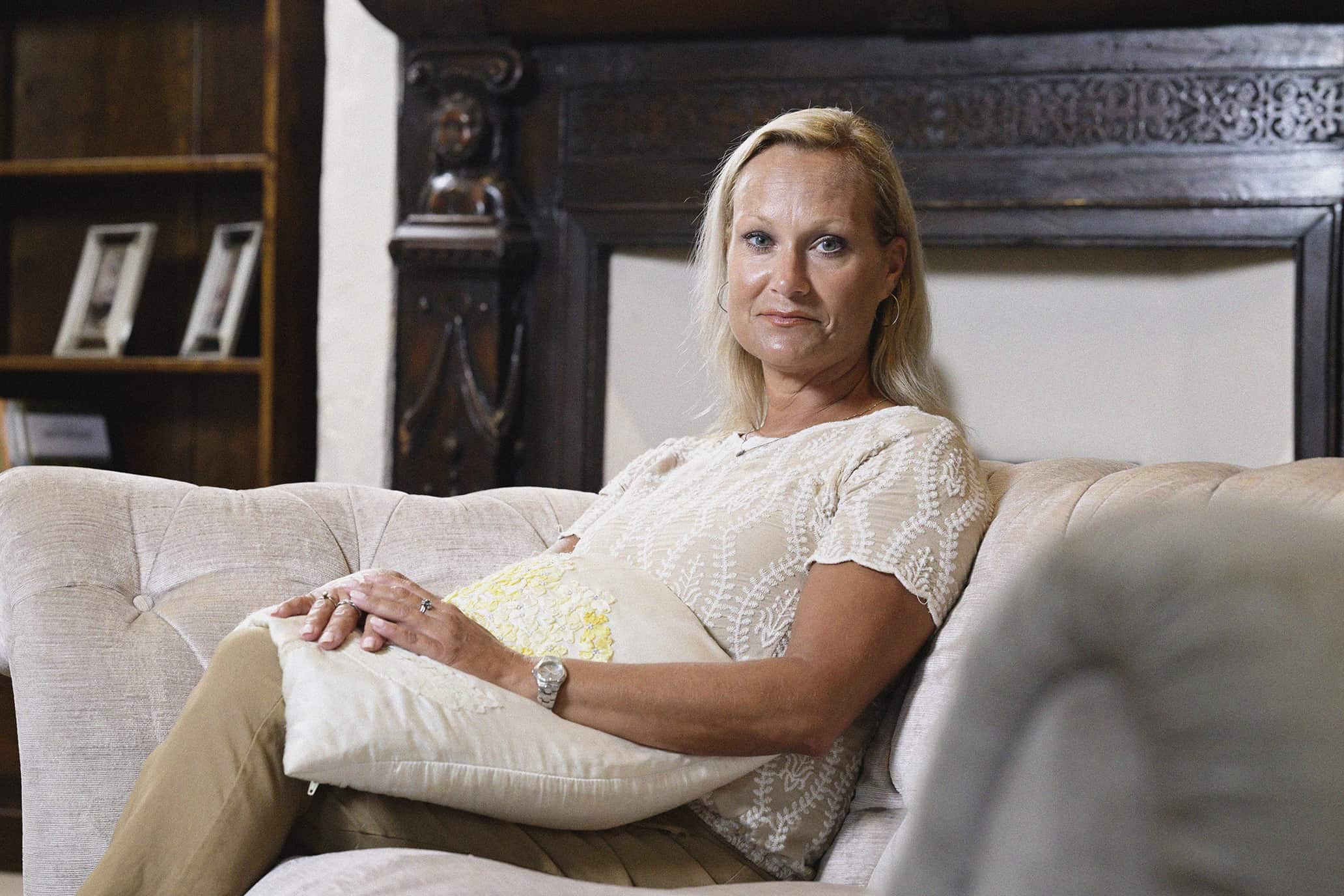
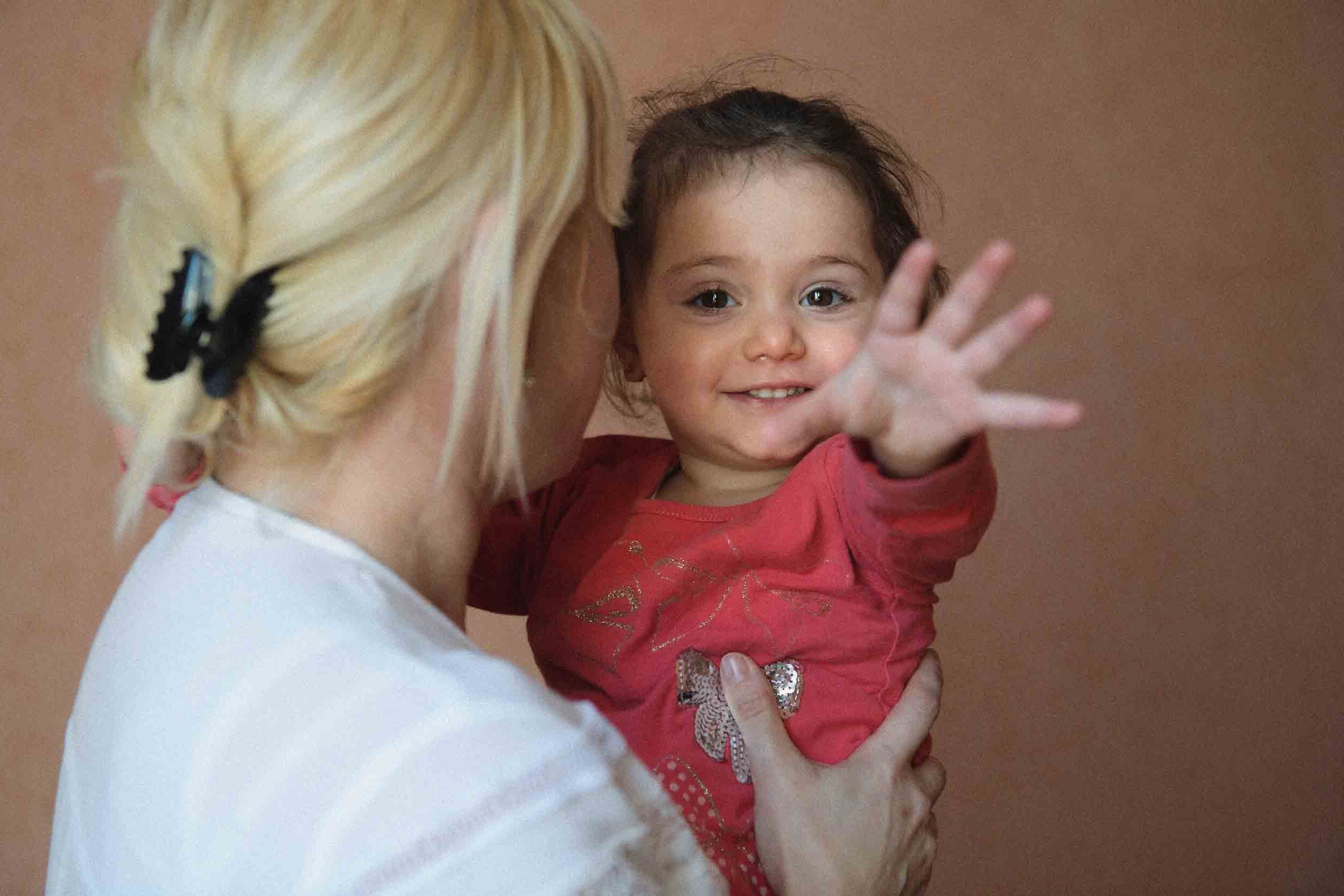
For Vicky Jones, everyday life is closely connected to her family in Surrey, where she lives with her husband Alistair and their son, Oliver. Behind this ordinary, vibrant picture is a personal story shaped by Hereditary Factor X Deficiency or HFXD, a rare inherited bleeding condition linked to Factor X, a protein involved in blood clotting.
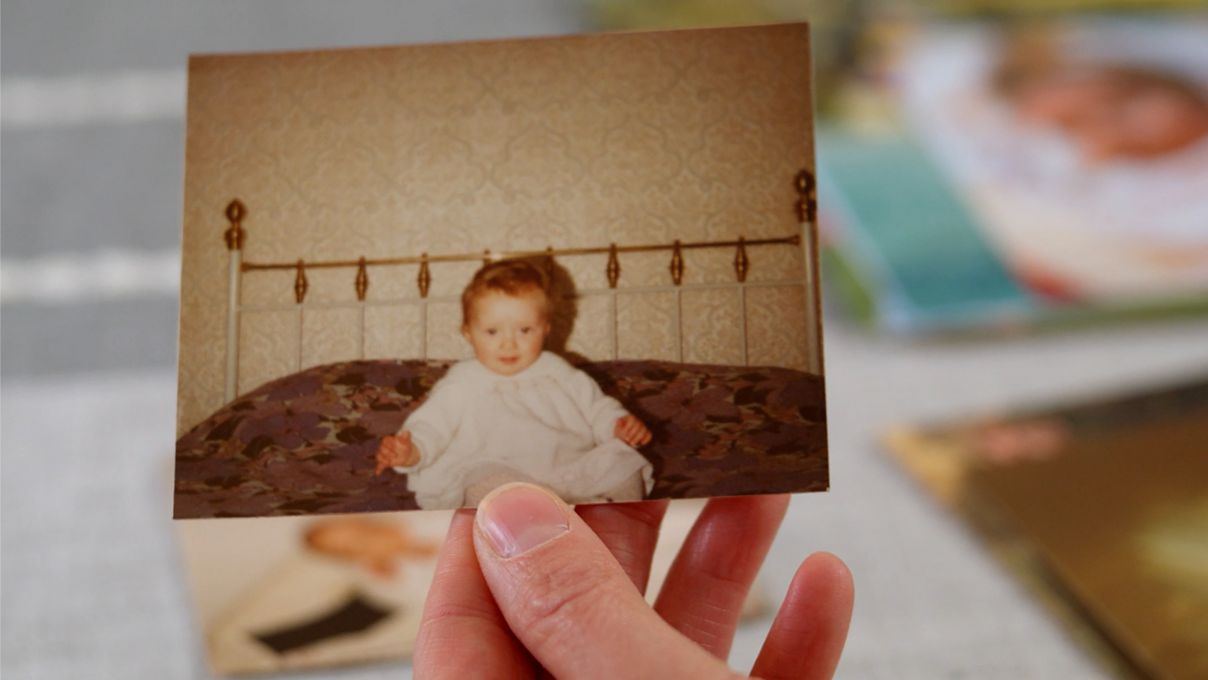
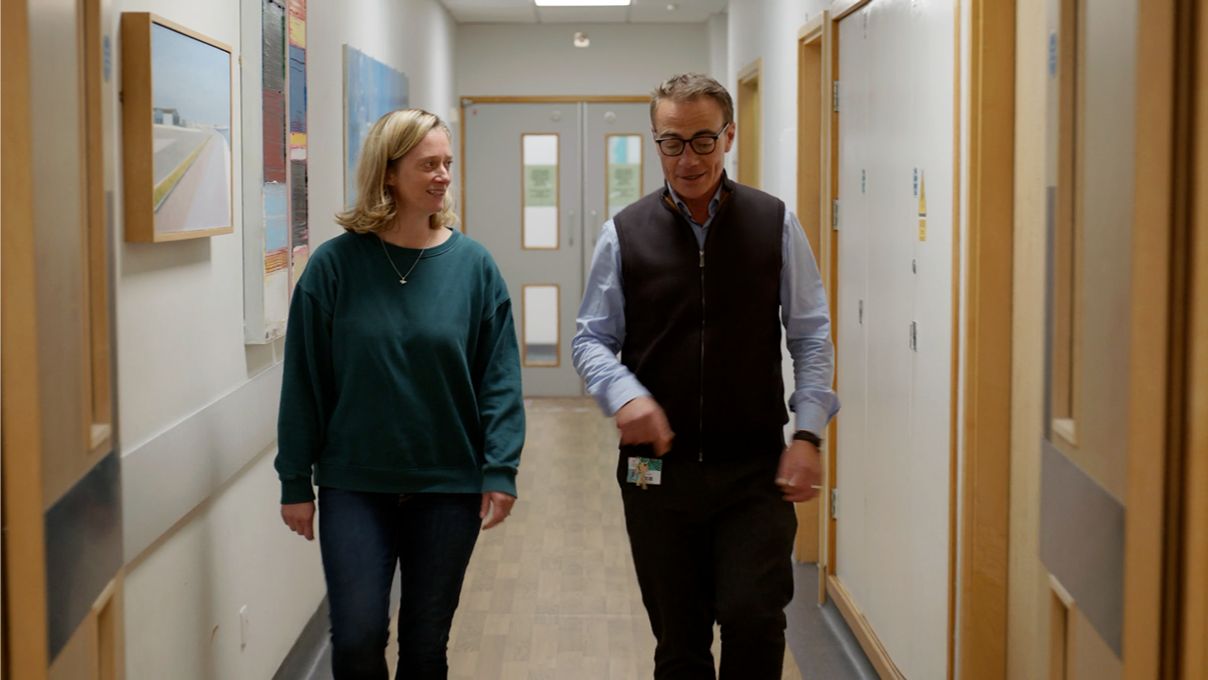
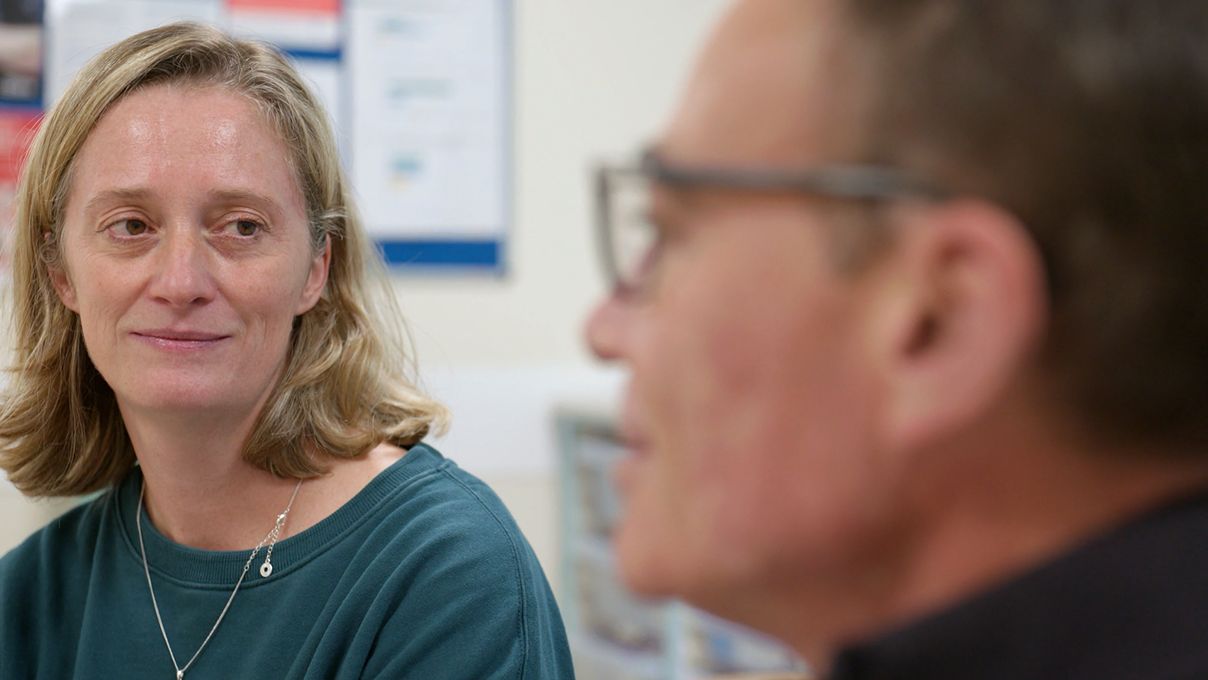
Vicky was diagnosed at around eight months old, after becoming very unwell following a flu virus and being referred to Great Ormond Street Hospital. As Dr. Steve Austin explains in the video, when the clotting process is affected, bleeding symptoms may occur. Because Factor X deficiency is rare, awareness can help patients, families, and healthcare professionals better recognize and understand the condition.
Growing up with a rare bleeding condition meant navigating experiences that were not always visible from the outside: heavy periods at school, questions around pregnancy and family life, and restrictions linked to travel and daily choices. For Vicky, these moments were not only clinical. They were personal, emotional, and connected to confidence, independence, and the possibility of taking part in life as much as possible.
Awareness helps bring attention to details that may otherwise remain in the background: symptoms, patterns, concerns, and the everyday impact of living with a bleeding condition. For very rare conditions, even small clues can be meaningful in building a more complete understanding of a person’s experience.
Awareness also matters beyond the clinical setting. For people living with ultra-rare bleeding conditions, uncertainty can affect daily decisions, family routines, travel, school, and future planning. A more informed and attentive approach can help create space for patients to be heard not only through their condition, but through the full context of their lives.
At the heart of Vicky’s story is the importance of being seen fully: as a mother, a daughter, and a person who continues to take part in life as much as possible. Her experience shows why disease awareness matters. It can help reduce isolation, support better understanding, and encourage more meaningful dialogue between patients, families, and healthcare professionals.