Awareness 18/05/2026

GBS and CIDP: giving voice to awareness, from lived experience to care
#GBSCIDPAwarenessMonth

Some diagnoses arrive suddenly and change the way a person relates to their body, their independence, and their future. In rare conditions such as GBS and CIDP, awareness can make a tangible difference: it can support earlier recognition of symptoms, help guide patients toward care, and offer a point of reference when everything feels uncertain.

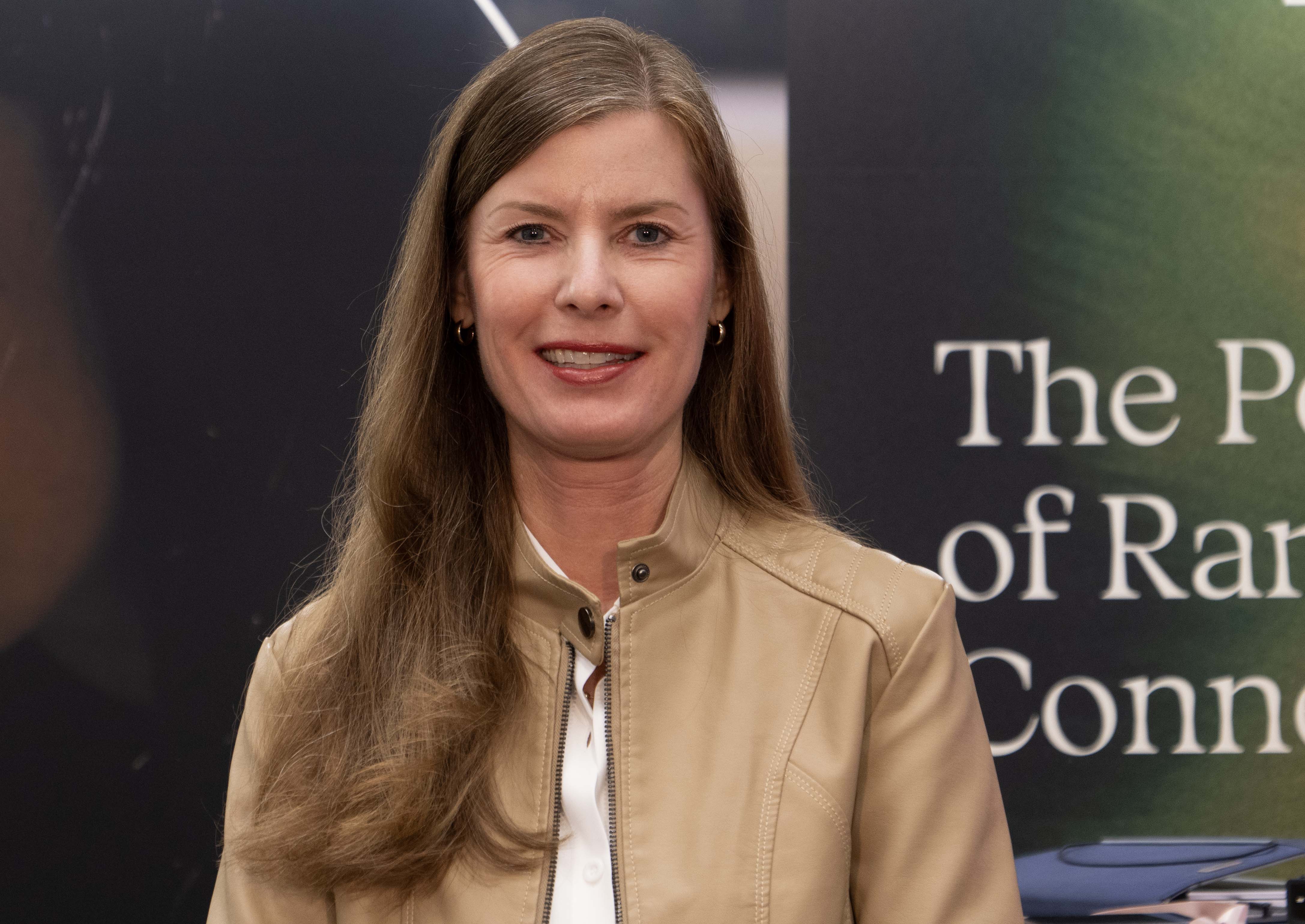
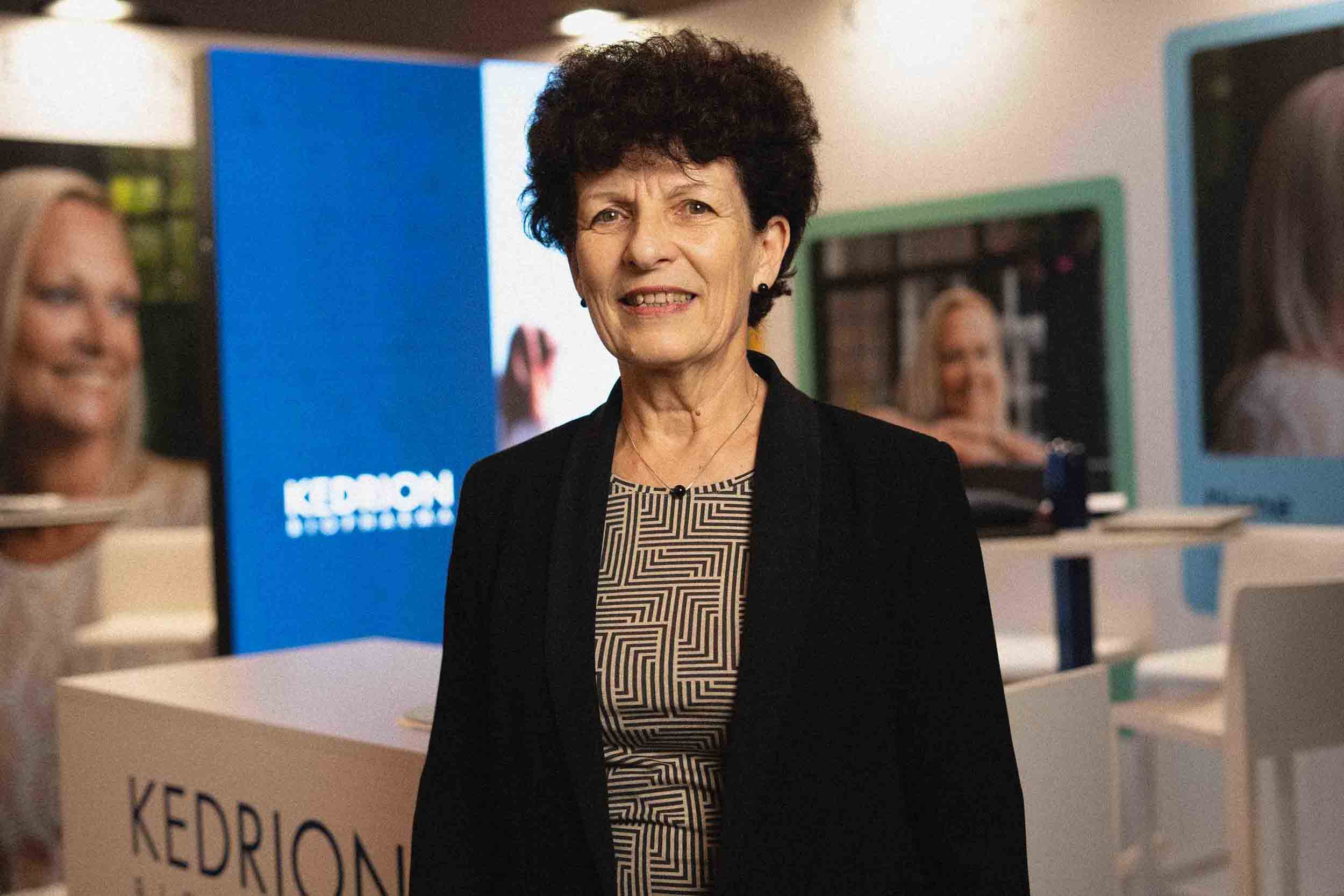
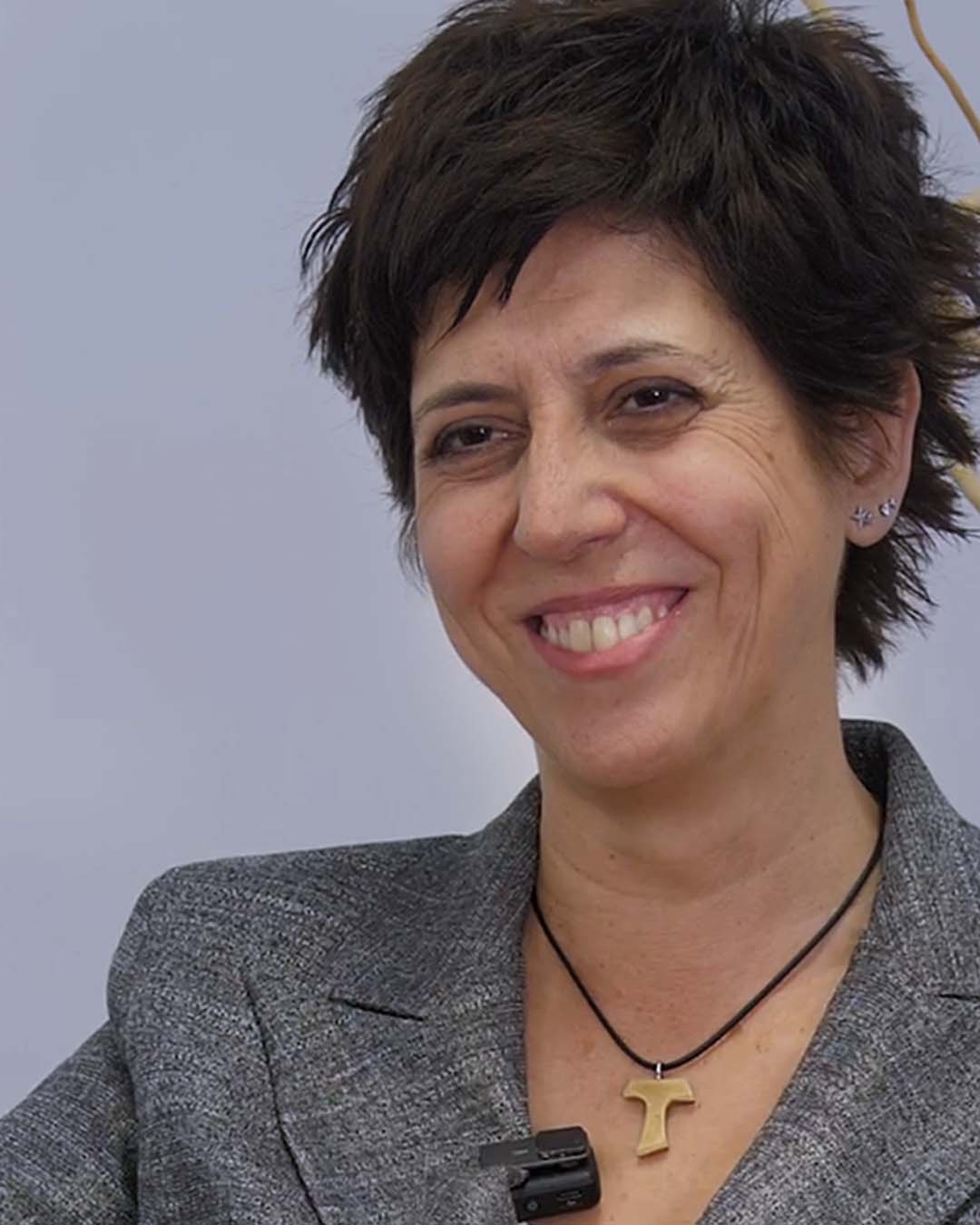
For Nancy Di Salvo, this awareness comes from lived experience. Diagnosed with Guillain-Barré syndrome at the age of 20 and, years later, with CIDP, Nancy first became involved with the GBS | CIDP Foundation International as a patient. Today, as Director of International Affairs, she supports others facing a diagnosis of GBS, CIDP, or related conditions.

In the video, Nancy reflects on what it means to receive a rare diagnosis and why those first moments of contact matter so deeply. Patients need information, but they also need someone who can recognize the emotional weight of what they are experiencing. Understanding a condition is not only about knowing its name; it is about beginning to understand how it may affect life and what tools can help people face it.

“Once you understand how the condition impacts your life, you find a way to fight back.”
Nancy Di Salvo, Director of International Affairs, GBS | CIDP Foundation International

This is where the work of the Foundation becomes essential. Through advocacy, research, and support, the GBS | CIDP Foundation International helps turn isolation into connection and uncertainty into greater awareness.
Nancy’s story also points to a wider challenge: rare conditions are not always recognized quickly enough, and this lack of awareness can affect the time it takes to reach a diagnosis and appropriate treatment. This is why GBS | CIDP Awareness Month, held in May, is an important opportunity to bring attention to conditions that can deeply impact the daily lives of patients and their families.

GBS and CIDP are both autoimmune diseases affecting the peripheral nervous system, but they differ significantly in how they start and how they evolve over time.

“GBS (Guillain-Barré Syndrome) is characterized by a rapid onset of symptoms, including progressive muscle weakness that can lead to paralysis. In some cases, breathing muscles may be affected, requiring close monitoring and intensive care. Recovery, often supported by rehabilitation, can take months to years depending on disease severity.”*

“CIDP (Chronic Inflammatory Demyelinating Polyneuropathy) is characterized by a gradual and progressive onset, with symptoms developing over months and persisting for at least several weeks. It is a chronic condition that may follow a relapsing or progressive course. Common symptoms include muscle weakness, sensory changes, fatigue, and impaired balance.”**

Awareness, however, is not only for patients. It also involves healthcare professionals, caregivers, industry, and all those who can contribute to improving the care journey. Early diagnosis, equitable access to treatment, and collaboration are part of the same goal: helping people receive the right support at the right time, regardless of where they live.

In her story, Nancy also highlights the importance of plasma donation, which plays an essential role in making certain therapies available to patients who need them. Speaking about plasma also means speaking about access, shared responsibility, and concrete possibilities for care.

At the heart of her testimony is a simple but powerful message: awareness can change the way a diagnosis is experienced. It can help patients feel less alone, more informed, and better prepared to face their journey.
Watch Nancy Di Salvo’s story to discover how lived experience, advocacy, and international commitment can help give a stronger voice to people living with GBS, CIDP, and related conditions.

Kedrion is committed to supporting dialogue, education, and awareness around rare immune-mediated conditions, helping foster a deeper understanding of the importance of timely diagnosis, equitable access to treatment, plasma donation, and patient-centered care.


Sources:
* https://www.gbs-cidp.org/gbs/
** https://www.gbs-cidp.org/cidp/