


Awareness •
26/11/2025
Secondary Immunodeficiencies and the challenge of early recognition

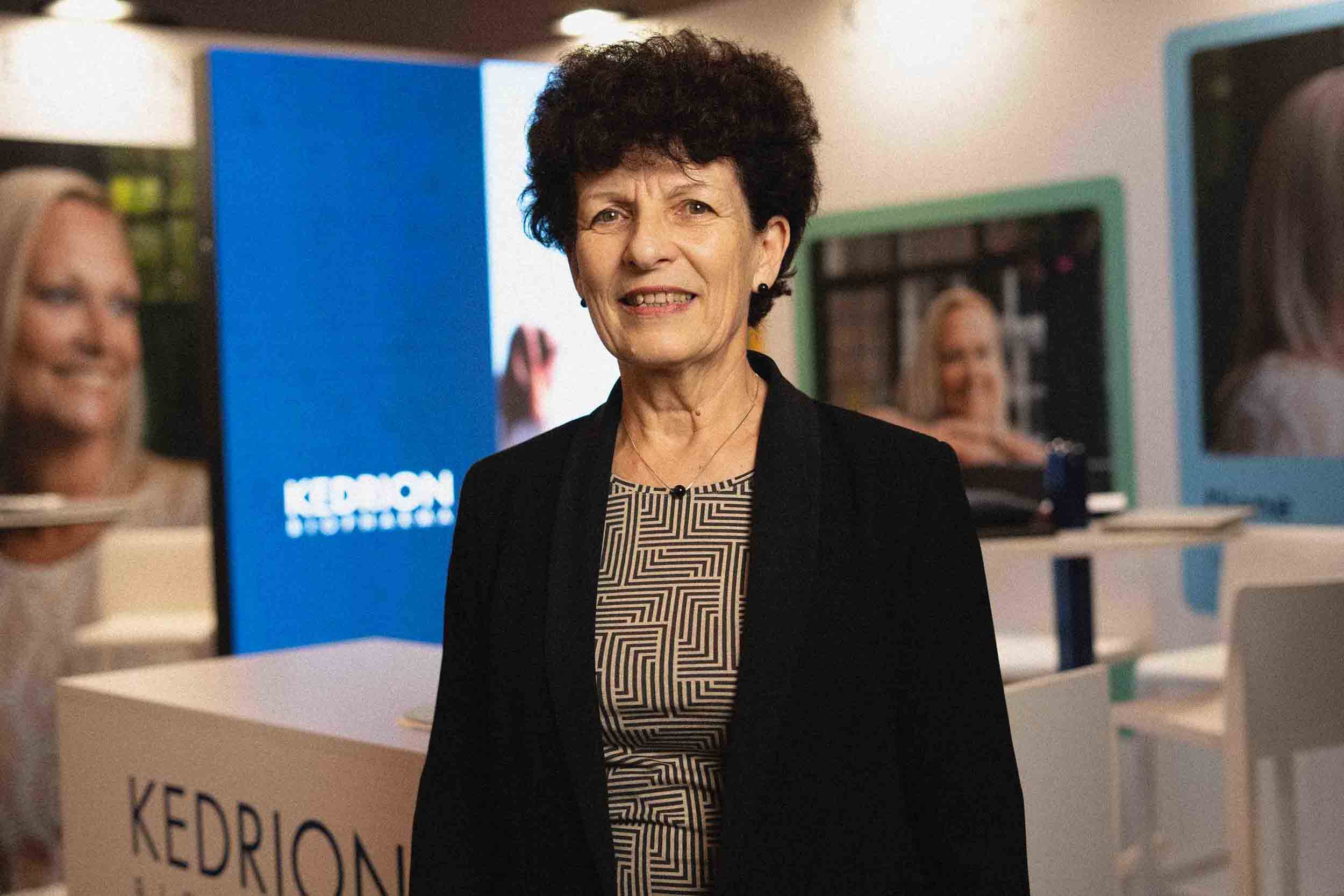
“Behind a SID patient, there may be an undiagnosed PID patient. If we address SID in a better way — fostering collaboration between hematologists and immunologists — we may also improve the diagnosis of PID.”

“Awareness for secondary immunodeficiencies is much lower than for primary immunodeficiencies. It has improved over the last years, but there is still work to do.”

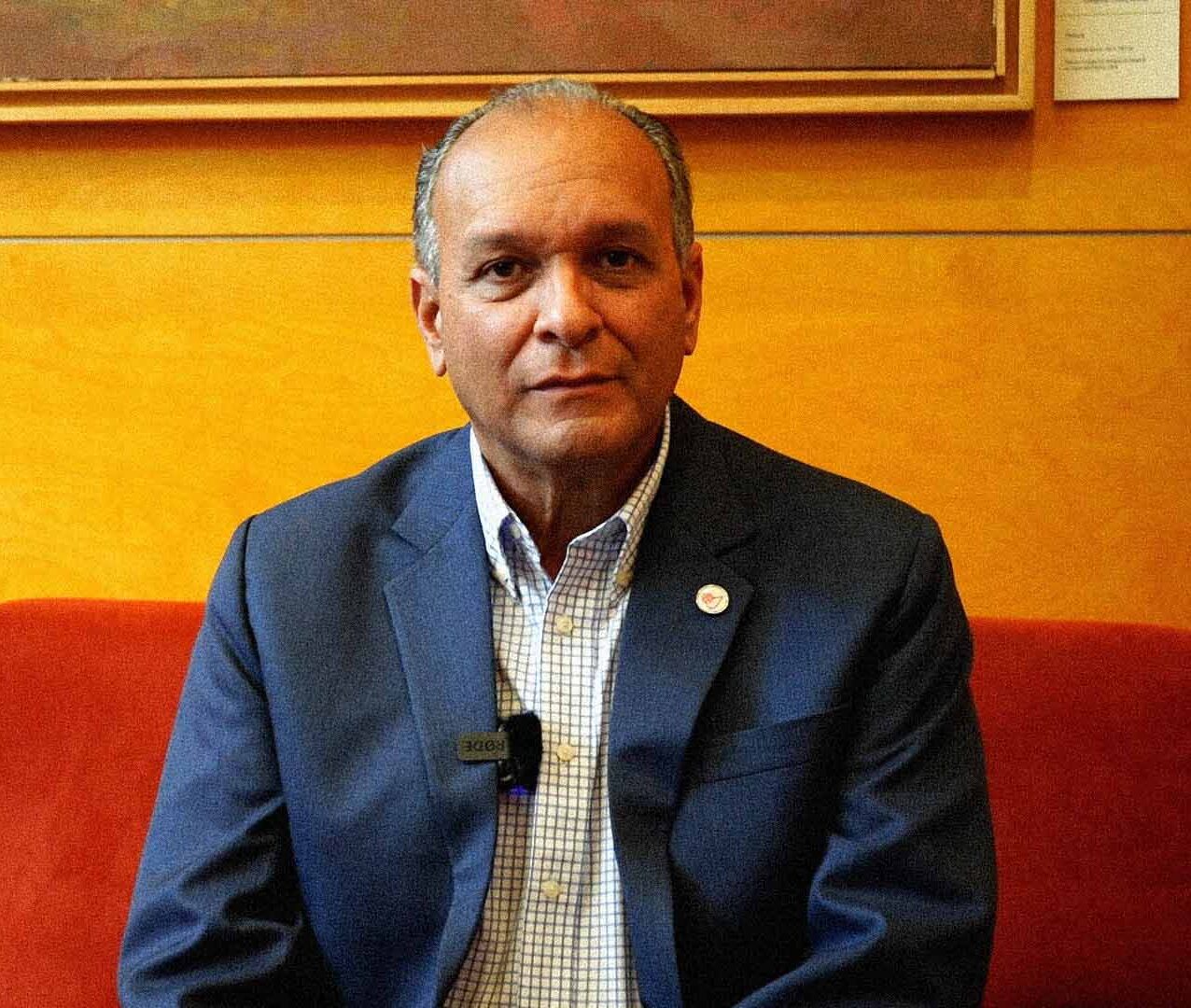
“We are now in a new era in which we can select the best option for each patient to mitigate the burden of treatment. This is especially important for SID patients, who are often older, have comorbidities and may still be undergoing therapy for their cancer.”
Related stories

Awareness
Hepatitis B and Mother-To-Child Transmission: turning awareness into action in maternal health
Awareness
GBS and CIDP: giving voice to awareness, from lived experience to care

Awareness
Looking beyond labels: understanding the connection between Primary and Secondary Immunodeficiencies
Awareness
Where AI meets Primary Immunodeficiencies

Awareness
Immune Deficiency Foundation and the power of connection in improving care for people with PI in the US

Awareness
AIP, patient advocacy and a shared commitment to better PID care in Italy
Awareness
ISTH Congress 2025
Awareness
Breaking taboos and closing gaps: women’s health in focus
Awareness
ESID and GPM 2024: amplifying the voices of the PID community
Awareness
WFH World Congress 2024
Awareness
Hepatitis B and Mother-To-Child Transmission: turning awareness into action in maternal health
Awareness
GBS and CIDP: giving voice to awareness, from lived experience to care
Awareness
Looking beyond labels: understanding the connection between Primary and Secondary Immunodeficiencies
Awareness
Where AI meets Primary Immunodeficiencies
Awareness
Immune Deficiency Foundation and the power of connection in improving care for people with PI in the US
Awareness
AIP, patient advocacy and a shared commitment to better PID care in Italy
Awareness
ISTH Congress 2025
Awareness
Breaking taboos and closing gaps: women’s health in focus
Awareness
ESID and GPM 2024: amplifying the voices of the PID community
Awareness