


Awareness •
05/05/2026
Looking beyond labels: understanding the connection between Primary and Secondary Immunodeficiencies

“There is probably a more molecular continuum that blurs the once clear boundaries between primary and secondary immune deficiencies.”
Dr. Silvia Sánchez-Ramón, Hospital Universitario Clínico San Carlos, Madrid
Related stories

Awareness
Hepatitis B and Mother-To-Child Transmission: turning awareness into action in maternal health

Awareness
GBS and CIDP: giving voice to awareness, from lived experience to care

Awareness
Where AI meets Primary Immunodeficiencies

Awareness
Immune Deficiency Foundation and the power of connection in improving care for people with PI in the US

Awareness
AIP, patient advocacy and a shared commitment to better PID care in Italy

Awareness
Secondary Immunodeficiencies and the challenge of early recognition
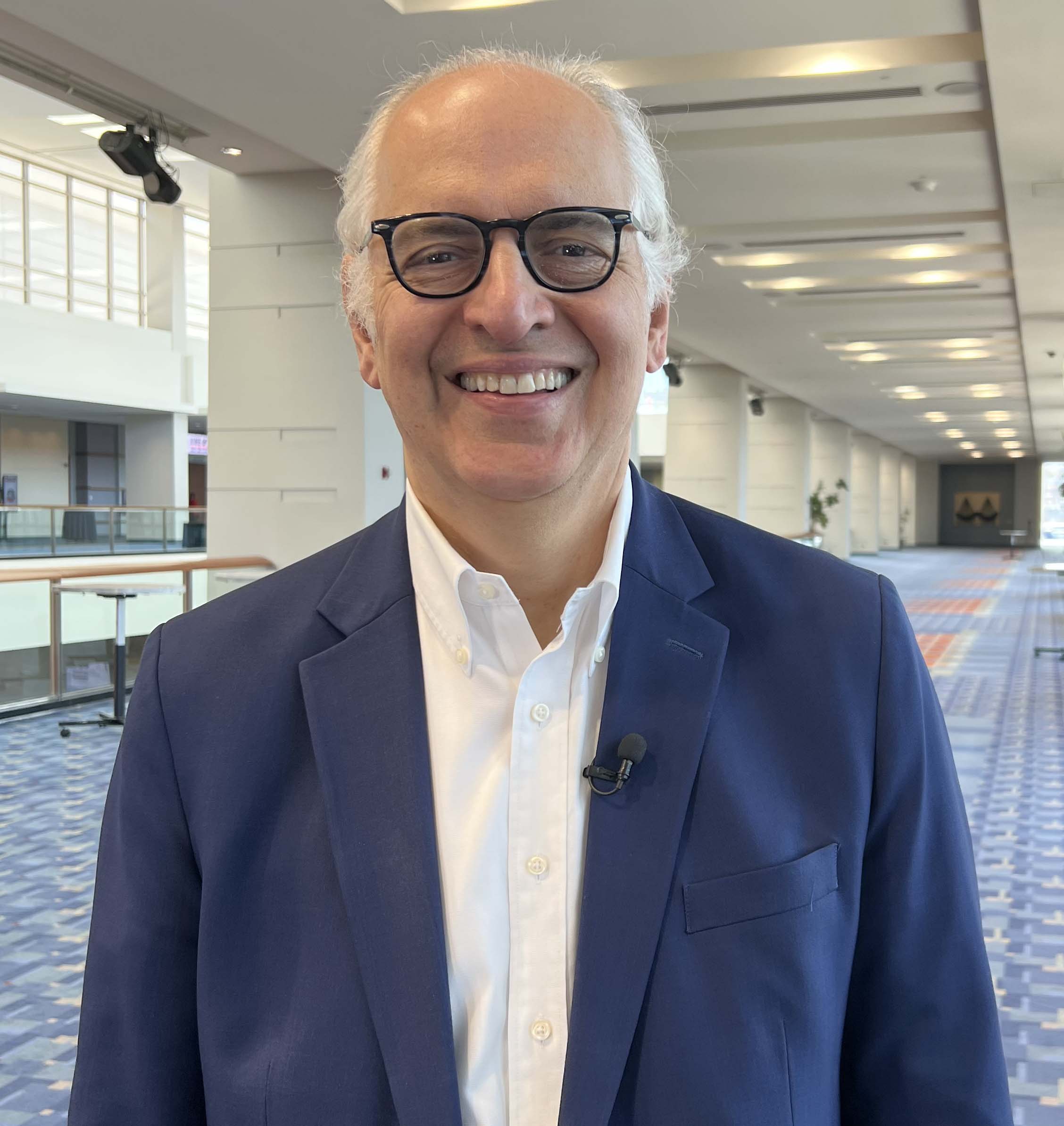
Awareness
ISTH Congress 2025
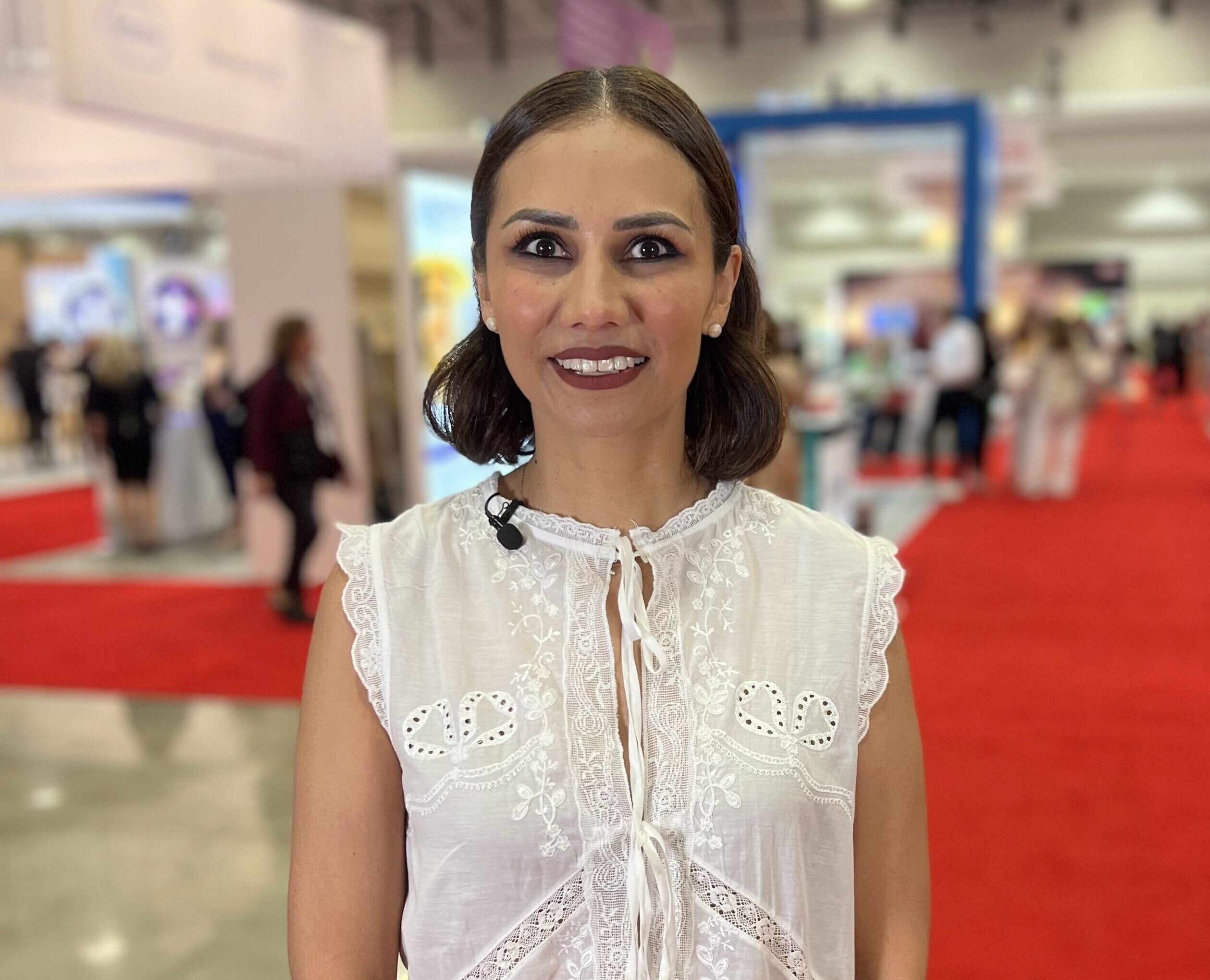
Awareness
Breaking taboos and closing gaps: women’s health in focus

Awareness
ESID and GPM 2024: amplifying the voices of the PID community

Awareness
WFH World Congress 2024
Awareness
Hepatitis B and Mother-To-Child Transmission: turning awareness into action in maternal health
Awareness
GBS and CIDP: giving voice to awareness, from lived experience to care
Awareness
Where AI meets Primary Immunodeficiencies
Awareness
Immune Deficiency Foundation and the power of connection in improving care for people with PI in the US
Awareness
AIP, patient advocacy and a shared commitment to better PID care in Italy
Awareness
Secondary Immunodeficiencies and the challenge of early recognition
Awareness
ISTH Congress 2025
Awareness
Breaking taboos and closing gaps: women’s health in focus
Awareness
ESID and GPM 2024: amplifying the voices of the PID community
Awareness